Your AC fan may stop spinning for a variety of reasons—anything from a tripped breaker to a burnt-out motor or even something as simple as debris blocking the blades. At Comfort Experts, we’re here to restore your home’s comfort quickly and reliably, even in an emergency.
In this guide, we break down the most common causes:
- Tripped circuit breaker or blown fuse
- Faulty AC capacitor
- Burnt-out fan motor
- Debris blocking the fan blades
- Broken contactor or other electrical issues
Below, you’ll learn what might be going on with your AC fan and what steps you can take to get the issue resolved fast.
Tripped Circuit Breaker or Blown Fuse
One of the simplest reasons your AC fan isn’t spinning is a tripped breaker or blown fuse. A power surge or overloaded circuit can interrupt power to your air conditioner, causing the fan to stop.
Check your electrical panel to see whether the AC breaker has tripped. If it has, reset it and see if the system starts. If the breaker trips again shortly afterward, this signals a deeper electrical issue that requires professional diagnosis. Avoid repeatedly resetting it—doing so can be unsafe.
Faulty AC Capacitor
A failing AC capacitor is another extremely common issue. The capacitor’s job is to deliver the burst of power the fan motor needs to start up. When it fails, the fan may hum but won’t begin spinning.
Signs you may have a bad capacitor include:
- A humming sound coming from the outdoor unit
- Warm air blowing instead of cold
- Fan blades that only spin when pushed manually
Because capacitors hold stored electrical energy, they can be dangerous to handle. Only a trained technician should diagnose or replace them. During routine maintenance, techs can often spot failing capacitors before they shut your system down entirely.
Burnt-Out Fan Motor
If your AC fan motor has burned out, the system can’t move air, leaving your home warm and uncomfortable. You might see the fan attempt to start before stopping again—or it may not move at all.
Fan motors can fail due to:
- Age and normal wear
- Overheating
- Poor lubrication
- Strain from debris or faulty parts
A professional inspection is needed to determine whether the motor can be repaired or if replacement is the safer, more cost-effective choice.
Debris Blocking the Fan Blades
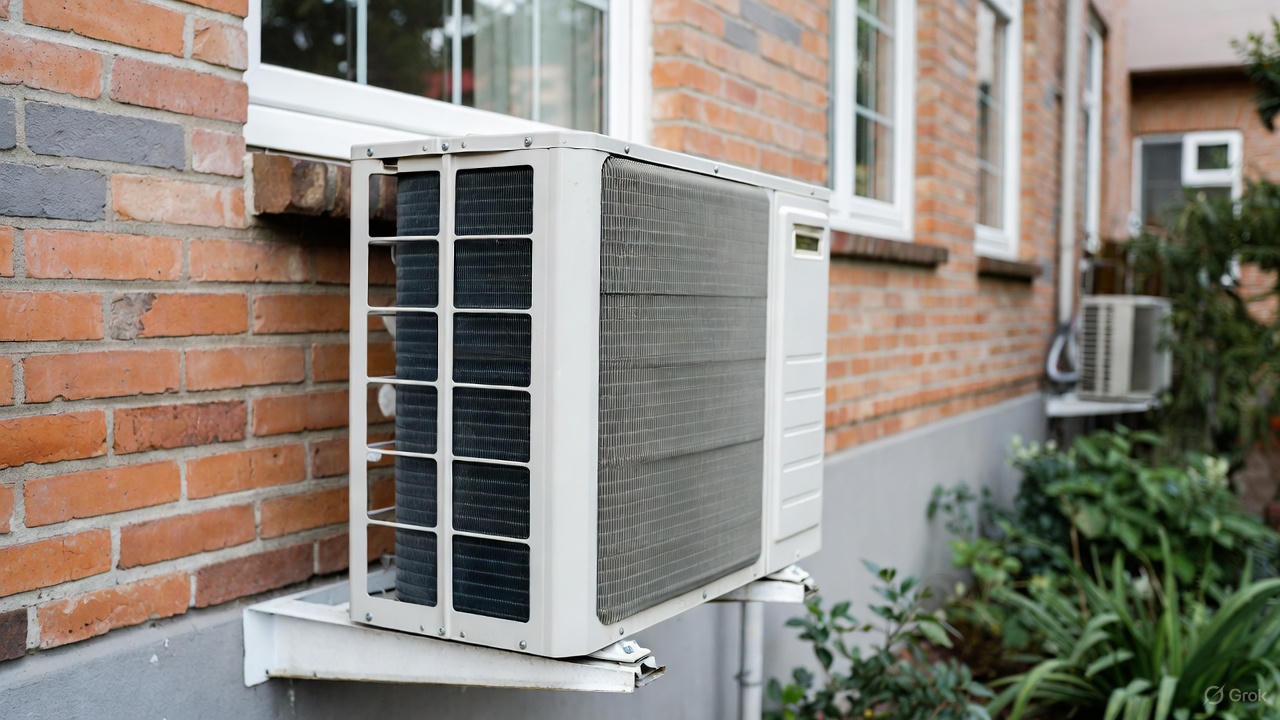
Sometimes the issue is straightforward: something is physically blocking the fan. Outdoor units can accumulate leaves, dirt, twigs, and even small pests that prevent the blades from turning freely.
If the fan can’t spin, the motor strains to compensate, which can lead to overheating and long-term damage. After turning off power to the unit, you can perform a quick visual inspection—but avoid touching internal components.
Minor debris can sometimes be cleared, but a professional cleaning is safer and more thorough. Seasonal tune-ups significantly reduce the chance of debris buildup and keep your system operating efficiently year-round.
Broken Contactor or Electrical Issue
The contactor controls the flow of electricity to the fan motor. When it fails—or if there’s a loose or damaged electrical connection—the fan won’t receive power.
Diagnosing electrical issues safely requires the proper tools and training. Attempting this on your own can lead to injury or further system damage. The NATE-certified techs at Comfort Experts are licensed to handle all electrical components and can diagnose these problems quickly and safely.
Schedule Expert AC Fan Repairs with Comfort Experts
As a locally owned and operated Arizona company, Comfort Experts understands how crucial a functioning AC system is during blistering summer temperatures. Our NATE-certified professionals provide fast repairs, honest recommendations, and full-service maintenance to keep your home cool and comfortable all season long.
Need AC fan repair? Contact Comfort Experts today to schedule your free in-home estimate.