Here in Mesa, we run our air conditioners hard—sometimes nonstop from April through October. That little air filter in your HVAC system works overtime pulling dust, pollen, and all the fine desert grit out of the air before it hits your furnace or AC coils. We’ve seen it time and again: a fresh filter keeps everything running smoothly, while a forgotten one quietly turns into trouble.
Why That Dusty Air Filter Matters More Than You Think
Think of the filter as the unsung hero of your whole HVAC setup. It catches everything floating around—dust from the yard, pet hair rolling like tumbleweeds, even the fine particles that blow in every time you open the door. When it’s clean, air moves freely, your system doesn’t strain, and you actually breathe easier indoors. Skip the changes too long, though, and that hero becomes the villain clogging everything up.
We get calls all summer from folks whose AC suddenly struggles on a 110-degree day. Nine times out of ten? The filter looks like it’s been through a haboob.
The General Rule (and Why It Doesn’t Always Apply in Mesa)
Most manufacturers and the U.S. Department of Energy say replace a standard 1-inch filter every 90 days in a typical home. Sounds simple, right? But “typical” doesn’t really exist in the Valley.
What the Experts Actually Say
The EPA and ENERGY STAR recommend checking your filter monthly and changing it at least every three months—more often if conditions demand it.[1] Out here, with our dust, heat, and near-constant AC runtime, three months is usually the maximum, not the norm.
Factors That Make You Change Filters Sooner Around Here
Several everyday things speed up how fast a filter loads up:
- Pets – One shedding dog or cat can cut life to 60 days; multiple furry friends mean every 30–45 days.
- Allergies or asthma in the house – You’ll want fresher air more often, usually every 30–60 days.
- Kids, teens, or a busy office – More people = more skin flakes, dust, and traffic.
- Desert dust and construction nearby – If you’re off a dirt road or new homes are going up, check monthly.
- Thicker, high-MERV filters – Great for allergies, but they clog faster in dusty conditions.
Honestly, during monsoon season when everything kicks up, we tell people to peek at the filter every couple of weeks.
Signs Your Filter Is Begging for Mercy
You don’t always need a calendar. Look for these clues:
- More dust on furniture than usual (even after you just cleaned)
- Weak airflow from the vents
- AC or heater running longer than it used to
- Higher electric bills without an obvious reason
- Visible gray blanket of dust when you pull the filter out
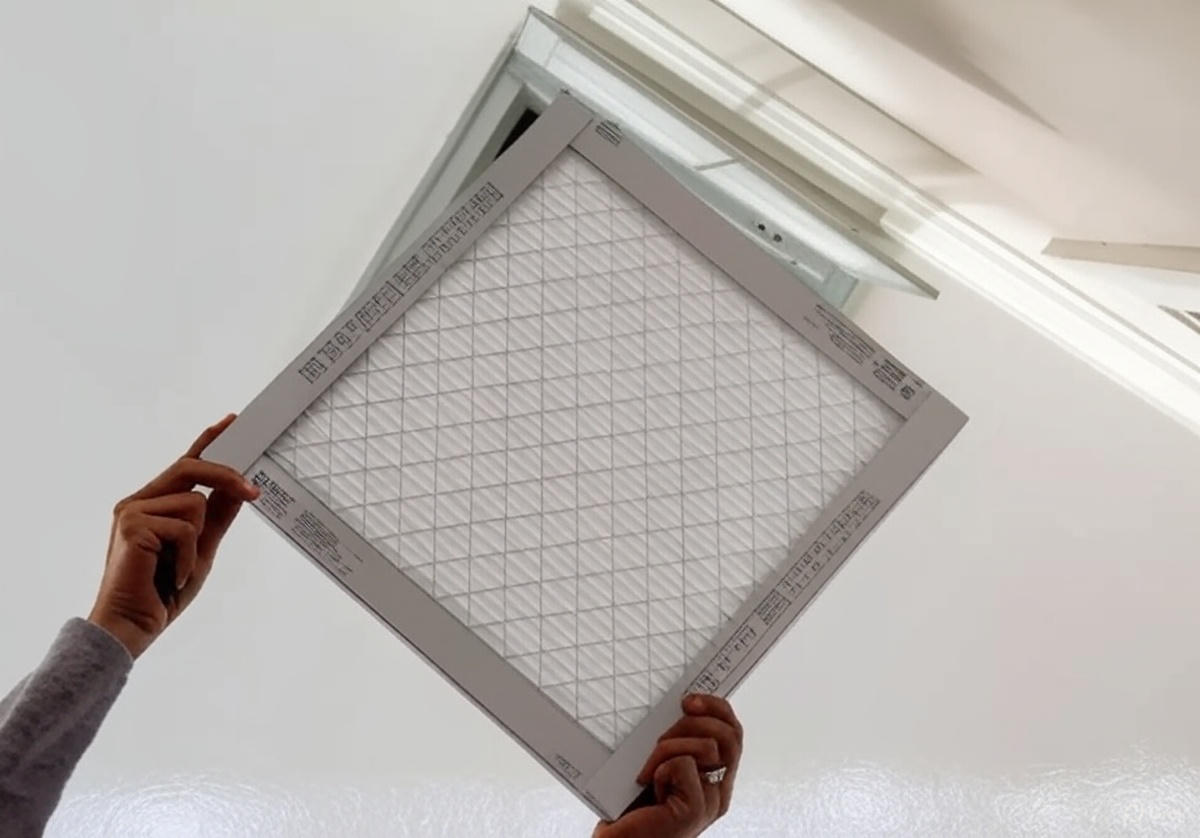
If you hold the filter up to a light and can’t see through it, it’s done.
A Quick Replacement Schedule That Fits Real Life
| Your Situation | How Often to Change |
|---|---|
| Average Mesa home, no pets, no allergies | Every 60–90 days |
| One pet or mild allergies | Every 60 days |
| Multiple pets OR allergy sufferers | Every 30–45 days |
| Commercial space or heavy dust | Every 30 days (or more) |
| Thick 4–5 inch media filter | Every 6–12 months (check at 6) |
Mark it on your phone calendar the day you swap it—set a reminder for the next one. Takes ten seconds and saves you headaches.
What Happens When You Keep Putting It Off
A clogged filter forces your system to work harder. That means:
- 5–15% higher energy bills (Department of Energy numbers)[1]
- Frozen AC coils in summer (we see this constantly)
- Overheated heat exchanger on the furnace in winter
- Shorter equipment life—we’ve replaced units years early because filters were ignored
- Poorer indoor air—more dust, allergens, and that stale feeling
It’s like driving your car with the parking brake half on. Everything still moves, but you’re paying for it.
How to Swap It Out Without Calling Us (Yet)
- Turn off the thermostat or breaker to the HVAC system.
- Find the return grille (usually a big vent in a hallway) or the slot near the air handler.
- Slide the old filter out—note which way the airflow arrow pointed.
- Slide the new one in with the arrow pointing toward the furnace/AC (the direction air flows).
- Write the date on the filter frame with a Sharpie so you remember.
Takes five minutes, costs $10–$30, and you feel like a pro.
Pro tip: Keep a spare in the garage so you’re never stuck waiting for a store run on a triple-digit day.
Picking the Right Filter for Arizona Homes and Businesses
We like pleated filters rated MERV 8–11 for most Mesa homes—good balance of filtration and airflow. If allergies are bad, step up to MERV 13, but check that your system can handle it (some older units can’t). For businesses or heavy dust, we often recommend 4-inch media filters that last longer and catch more.
Need help choosing? Swing by or give us a shout—we’re happy to look at your setup during a tune-up and recommend exactly what works best.
Keeping up with air filters is one of the easiest, cheapest ways to protect your investment and stay comfortable in this heat. If it’s been a while—or you’re just not sure—give us a call at 480-207-1239 or schedule online. We can check everything during a quick maintenance visit and get you set for the rest of the season. You’ll notice the difference right away.
Sources
- U.S. Department of Energy – Air Conditioner Maintenance
energy.gov/energysaver/air-conditioner-maintenance - U.S. Environmental Protection Agency – Guide to Air Cleaners in the Home
epa.gov/indoor-air-quality-iaq/guide-air-cleaners-home