
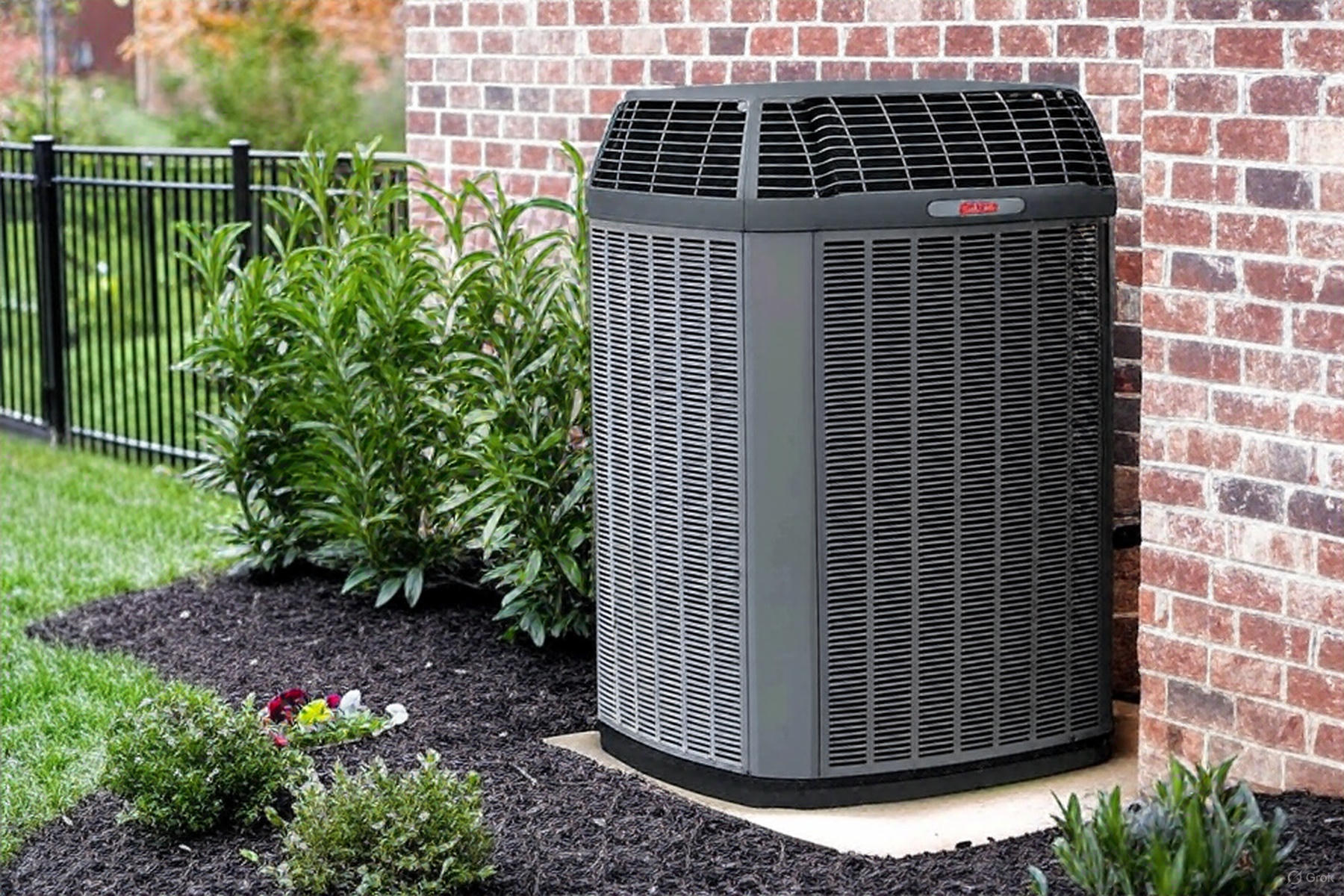
If you’re a homeowner in Mesa staring down another 110-degree summer, you’ve probably asked yourself which air conditioner brand is truly worth the investment. We’ve installed hundreds of systems over the years, and the Trane vs. Lennox air conditioners debate comes up more than any other. Both are excellent—no cheap builder-grade stuff here—but they solve the comfort problem in slightly different ways, and one tends to fit Arizona lifestyles better than the other.
Here in the Valley of the Sun, your AC isn’t a luxury; it’s the difference between enjoying your home and just surviving it. We wrote this because we keep getting the same question from homeowners and small business owners alike: “Should I go Trane or Lennox?” Let’s break it down honestly, without the sales fluff.
You deserve a system that starts reliably every triple-digit morning, keeps your bill reasonable, and doesn’t leave you hunting for rare parts years down the road. That’s what we’ll figure out together.
Why We’re Talking About This Now in Mesa
Summers keep getting hotter, utility rates keep climbing, and the new refrigerant rules mean older systems are becoming money pits. If your current unit is over 10 years old, you’re probably losing hundreds of dollars a year in efficiency alone. We’ve seen plenty of homeowners put off the decision until the unit dies in July—trust us, that’s not the time you want to be shopping.
How These Two Brands Approach Cooling Differently
Trane’s Focus: Built Like a Tank
Trane has earned its “hard to stop a Trane” reputation the old-fashioned way—they over-engineer everything. Their Spine Fin coils and Climatuff compressors are designed to shrug off the dust, heat, and monsoon humidity we get here. Honestly, Trane feels like the brand that expects you to forget about your AC for the next 15–20 years.
Lennox’s Focus: Maximum Efficiency
Lennox chases every possible efficiency gain. Their top Signature series units (like the SL28XCV) hit numbers that make utility companies nervous—up to 28 SEER in ideal pairings. They also pack in solar-ready options and ultra-precise humidity control. It’s impressive tech, no question.
Real-World Efficiency Numbers (And What They Mean for Your Bill)
Here’s the thing about those big SEER numbers: in Mesa’s brutal heat, the gap narrows a bit because systems run near full capacity so much of the time. Still, higher is better.
- Top Trane efficiency – XV20i variable-speed hits up to 22 SEER2
- Top Lennox efficiency – SL28XCV reaches up to 28 SEER (though real-world pairings often land around 24–25)
- Mid-range sweet spot – Both brands offer solid 17–18 SEER2 options that make the most sense for most homes
That extra efficiency from Lennox can save a few hundred bucks a year if you have a larger home or pool—worth it for some people. For most Mesa families, though, the difference pays back very slowly after the higher upfront cost.
Durability and Reliability – Who Holds Up Better in Arizona Heat?
This is where conversations get interesting. Both brands score well in national surveys, but local experience matters more in the desert.
- Trane advantages – Standard parts availability, simpler diagnostics, and those all-aluminum Spine Fin coils that resist our hard water corrosion better than most
- Lennox advantages – Quantum Coil technology is excellent too, but some models use more proprietary components
- Real talk from the field – We’ve fixed both brands for years. Trane systems just seem to need fewer “surprise” service calls after year 10, especially in dusty East Valley neighborhoods.
Consumer Reports consistently ranks both near the top for predicted reliability, with Trane/American Standard and Lennox usually in the top 5.[1]
Warranty and Service Reality Check
Both offer strong warranties when registered:
| Brand | Standard Registered Warranty |
|---|---|
| Trane | 12 years compressor 10 years parts |
| Lennox | 10–12 years compressor (model dependent) 10 years parts on Signature/Elite |
The bigger difference? Finding someone who can actually work on the system quickly. Trane parts are everywhere; Lennox often needs factory-trained techs and specific components. In an August heat wave, that matters.
A Quick Side-by-Side Comparison
| Factor | Trane Wins When… |
|---|---|
| Long-term reliability in harsh desert | ✓ You want “set it and forget it” |
| Easier, faster repairs | ✓ Standard parts availability |
| Lower upfront cost | ✓ Usually $800–$2,000 less installed |
| Absolute maximum efficiency | Lennox – if every dollar of bill matters |
| Solar integration & smart features | Lennox has more options |
Cost Differences: Upfront vs. Over 10–15 Years
A comparable 18–20 SEER2 variable-speed system:
- Trane XV18 or XV20i installed – typically $11,500–$14,500 (depending on size and ductwork)
- Lennox EL22XCV or SL28XCV installed – usually $13,000–$17,000+
The extra efficiency from Lennox might save $150–$300 per year in Mesa. That means the payback period is often 8–12 years—basically the point where any brand might need major work anyway.
So, Which One Delivers More Value for Most Mesa Homeowners?
Here’s our honest take after installing both for years: Trane edges out as the better overall value for 80% of the homes we see in Mesa, Gilbert, Chandler, and Queen Creek. You get 95% of the comfort and efficiency at a lower price, with fewer headaches down the road.
That said, if you have a large home, high ceilings, lots of west-facing windows, or you’re committed to squeezing every possible kilowatt-hour of savings (and maybe adding solar), Lennox’s top models are genuinely impressive and worth the stretch.
Either way, the brand is only half the story—the installation quality is the other half. A perfectly sized, charged, and sealed system from either brand will serve you beautifully.
Ready for a System That Actually Works for You?
We’d love to look at your home, your current bills, and your goals—no pressure, just straight talk. Give us a call at 480-207-1239 or schedule online and we’ll help you figure out whether Trane, Lennox, or something else makes the most sense for your family.
Stay cool out there,
The Comfort Experts Team
Sources
- Consumer Reports – Most Reliable Central Air Conditioning Systems consumerreports.org
- This Old House – Trane vs. Lennox Comparison (2025) thisoldhouse.com
- ENERGY STAR Most Efficient Air Conditioners List energystar.gov
- Trane Residential Product Specifications trane.com
- Lennox Residential Product Specifications lennox.com