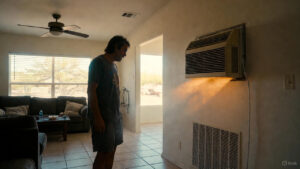

Summer in Mesa hits hard, and the last thing any of us needs is to walk into the garage or utility closet and step into a puddle coming from the air handler. We’ve all been there—staring at water dripping from the AC and wondering if the whole system is about to give up. Honestly, a leaking air conditioner usually isn’t the end of the world, but ignoring it can turn a small fix into a soggy, expensive mess.
We see AC leaks just about every day here at Comfort Experts, especially once the monsoons kick up the dust and humidity. The good news? Most causes are pretty straightforward, and catching them early saves you a ton of hassle.
So let’s figure out why your home air conditioning system is acting more like a faucet than a cooler—and what we can do about it.
What’s Really Happening When Your AC Drips Water
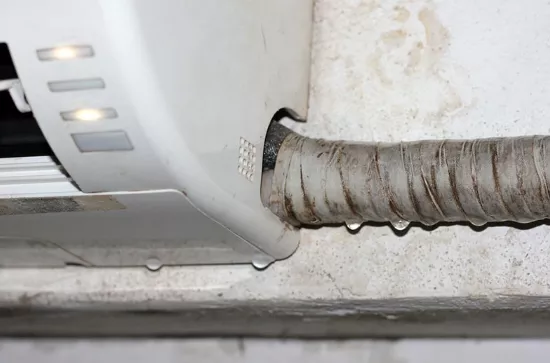
Your air conditioner doesn’t just cool the air; it also pulls a surprising amount of moisture out of it. All that humidity condenses on the cold evaporator coil—like dew on a glass of iced tea—then drips into a pan and flows out through a small drain line. When everything works right, you never even notice. But when something blocks or breaks in that process, the water has nowhere to go except onto your floor.
In Arizona we run our units hard, sometimes nonstop for months. That means more condensation, more dust in the air, and more chances for trouble.
The Usual Suspects Behind Most AC Leaks
Here are the reasons we run into most often, in roughly the order we see them:
That Clogged Condensate Drain Line (It’s #1 for a Reason)
Dust, algae, mold—you name it, it loves growing in that warm, damp pipe. Once it plugs up, water backs up into the drain pan and overflows. You might notice the AC shutting off randomly too; many systems have a safety float switch that kills power when the pan gets too full.[1]
Dirty Air Filter Doing More Harm Than You Think
A clogged filter starves the system for airflow. The evaporator coil gets too cold, freezes solid, then thaws and dumps way more water than the pan can handle all at once.
Frozen Evaporator Coils – Yeah, Ice Inside Your AC
Besides a dirty filter, low refrigerant or airflow problems can freeze the coil. When the ice melts, it’s like an iceberg calving—sudden flood.
Low Refrigerant Levels
Refrigerant leaks drop the pressure in the system, making the coil colder than it’s supposed to be. Again, ice forms, then melts, then leaks.
A Cracked or Rusted Drain Pan
Older units (we’re talking 12-15 years or more) can develop cracks or rust holes in the pan itself. Water just pours straight through.
Improper Installation or a Unit That’s Just Not Level
If the whole air handler isn’t level, water pools in the wrong spot instead of flowing toward the drain. We still find this on systems that were installed years ago when codes weren’t quite as strict.
| Common Problem | Typical Fix |
|---|---|
| Clogged condensate drain | Clear the line with vacuum or compressed air; add algae tablets |
| Dirty air filter | Replace filter (every 1-3 months in AZ!) |
| Frozen evaporator coil | Thaw safely, replace filter, check refrigerant charge |
| Low refrigerant | Find and repair leak, recharge system |
| Damaged drain pan | Replace the pan (sometimes the whole air handler) |
Quick Troubleshooting Steps You Can Try Today
Before you call us (though we’re always happy to hear from you), here are a few safe things most homeowners can do:
- Turn the AC off at the thermostat – stops more water from forming while you work.
- Check and replace the air filter – seriously, this fixes a shocking number of leaks.
- Look for the drain line exit outside (usually a PVC pipe near the condenser). If nothing’s dripping when the unit runs, it’s probably clogged.
- Clear obvious clogs with a wet/dry vac – attach it to the outdoor end of the drain line and suck for a minute or two.
- Pour a cup of white vinegar or a bleach-water mix down the drain (from the access T inside) to kill algae.
If water starts flowing again—great! If not, or if you see ice on the big copper line coming into the furnace, stop and give us a ring.
When It’s Definitely Time to Call Us
Some leaks are easy DIY fixes; others can lead to mold, ruined ceilings, or even electrical hazards. Reach out right away if you notice:
- Water soaking drywall or ceiling below the air handler
- Musty smells (possible mold growth)
- The AC runs but doesn’t cool well
- Ice on the coils or suction line
- Your system is over 10 years old and leaking
We’ll send a tech out fast—usually same or next day in Mesa and the East Valley.
How We Keep Mesa Homes Dry and Cool All Summer
When we arrive, we don’t just clear the clog and leave. We check the whole picture—refrigerant levels, coil condition, duct leaks, even how level the unit is. A lot of companies slap a band-aid on it; we fix the real reason so you don’t see us again next month.
And yes, we clean up any water and treat for mold risk while we’re there. Nobody wants that headache hanging over them when it’s 115° outside.
Simple Habits That Stop Leaks Before They Start
Here’s what works wonders for our customers:
- Change filters monthly during summer (we’re dusty here—pet hair and monsoon dirt add up fast).
- Schedule a spring tune-up so we flush the drain line and catch small issues early.
- Drop an algae tablet or two in the drain pan every few months.
- Keep the outdoor unit clear of leaves and debris so everything runs efficiently.
- Consider enrolling in our maintenance plan—two visits a year and priority service when the heat really hits.
Little things like that save thousands in water damage and replacement costs down the road.
If you’re staring at a puddle right now, don’t wait for the ceiling to sag. Give us a call at 480-207-1239 or schedule online—we’ll get your home air conditioning back to doing what it does best: keeping you cool and dry all summer long.
Sources
- U.S. Department of Energy – Common Air Conditioner Problems (energy.gov)
- U.S. Department of Energy – Maintaining Your Air Conditioner (energy.gov)